
Wall clocks are one of the few home decor elements that combine functionality with visual impact in a truly practical way. While many people now rely on phones and digital devices to check the time, wall clocks continue to play an important role in interior design because they help fill empty wall space while adding structure and personality to a room. A carefully chosen wall clock can act as both a decorative centerpiece and a useful everyday object, making it more valuable than purely ornamental wall art in many homes.

Yuanhe Billiards Pool Ball Clock - 14Inch Triangle Pool Table Cool Wall Clock with Solid Wood Frame,Great for Billiards Room,Pool Room,Game Room,Bar
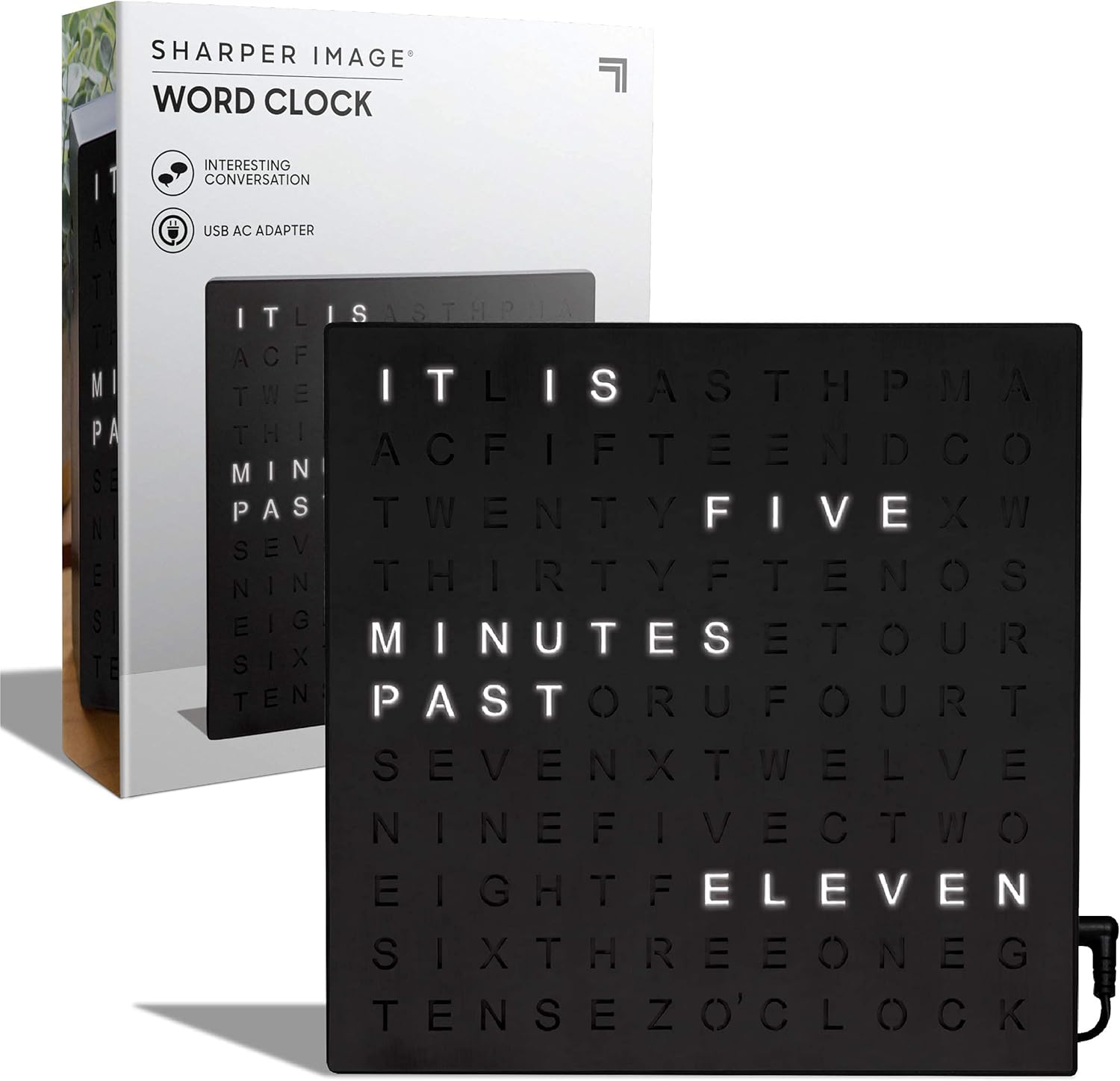
Sharper Image LED Word Digital Clock, 7.75", Black Finish, Light-Up Desk & Wall Clock, Modern Time Display, Shelf or Wall Decor for Home Office, Living Room, Kitchen & Bedroom, Housewarming Gift

Musical Black Vinyl Record Wall Clock Battery Operated Music Room Decor Decoration Art Hanging Clocks- 11.81inch
The design of a wall clock strongly influences the atmosphere of a space. Minimalist clocks with clean lines and neutral colors work well in modern interiors where simplicity and balance are priorities. Large industrial-style clocks with exposed metal details create a bolder and more dramatic appearance, especially in loft-style or rustic spaces. Traditional clocks with wood frames and Roman numerals often add warmth and classic elegance to dining rooms, offices, or entryways. The clock should support the existing decor instead of competing with it, otherwise it can look disconnected and unnecessary.

Wall Clock Battery Operated 12 in Rustic Wood Boho Sunburst Decorative Wall Clock Silent Non Ticking Farmhouse Small Wall Clocks for Living Room Kitchen Bathroom Bedroom Decor (Tricolor)

Dankeit Tree of Life Wall Clock, 24Inch Metal Black Family Tree Oversized Wall Clocks for Living Room Bedroom Home Decor, Modern Silent Mid-Century Battery Operated

Kids Wall Clock - Silent 10" Analog Learning Clock for Classroom
Size and placement are critical when decorating with wall clocks. A clock that is too small may disappear visually and fail to create any meaningful impact, while an oversized clock can dominate the room and make the space feel unbalanced. Large wall clocks often work best above fireplaces, sofas, or dining areas where they naturally draw attention. Smaller clocks are more suitable for kitchens, hallways, or compact office spaces. Hanging the clock at the correct height is equally important because poor positioning can disrupt the visual flow of the room.

Wall Clock 9 Inch Vintage Decorative Battery Operated Silent Bronze

Driini Mid Century Modern Wall Clock, Battery Operated, Green and Gold

HZDHCLH 12 Inch Silent Wall Clock Battery Operated Non Ticking Olive Green
Material selection also affects how a wall clock interacts with surrounding decor. Metal clocks typically create a sharper and more industrial appearance, while wooden designs add warmth and softness. Glass and mirrored finishes can make rooms feel more polished and contemporary, especially in smaller spaces where reflective surfaces help create a sense of openness. Combining textures carefully prevents the clock from looking flat or overly decorative. In many interiors, a wall clock becomes more effective when it complements nearby furniture, lighting, or shelving instead of standing completely alone.

EASYERA 16.5" Large Digital Wall Clock with BT Sync,11 RGB Lights

LEIKE 24" LED Analog Battery Operated Big Wall Clock for Living Room Decor

Infinity Instruments Orb Spoke Midcentury Modern 15 inch Retro Starburst
Beyond aesthetics, wall clocks contribute to the rhythm and organization of everyday life. In home offices, kitchens, and living areas, they provide a quick and visible reference point without requiring digital devices. Silent sweep mechanisms have also become increasingly popular because they eliminate the distracting ticking sound associated with older clocks. A well-made wall clock offers more than timekeeping alone; it adds character, balance, and practical value while helping a room feel complete and intentionally designed.
*Please note that these are affiliate links. I receive a commission for every purchase made. There are no additional costs for you.